
Matching supply with demand
Trade connects producers with buyers across regions, smoothing the gaps between where energy is produced and where it is consumed. When one market tightens and another has surplus, traders who understand both sides can keep cargoes moving and prices more stable.
That role does not disappear as the energy mix evolves. If anything, a more varied supply base makes the work of connecting markets more important, not less.
Supporting lower-carbon fuels
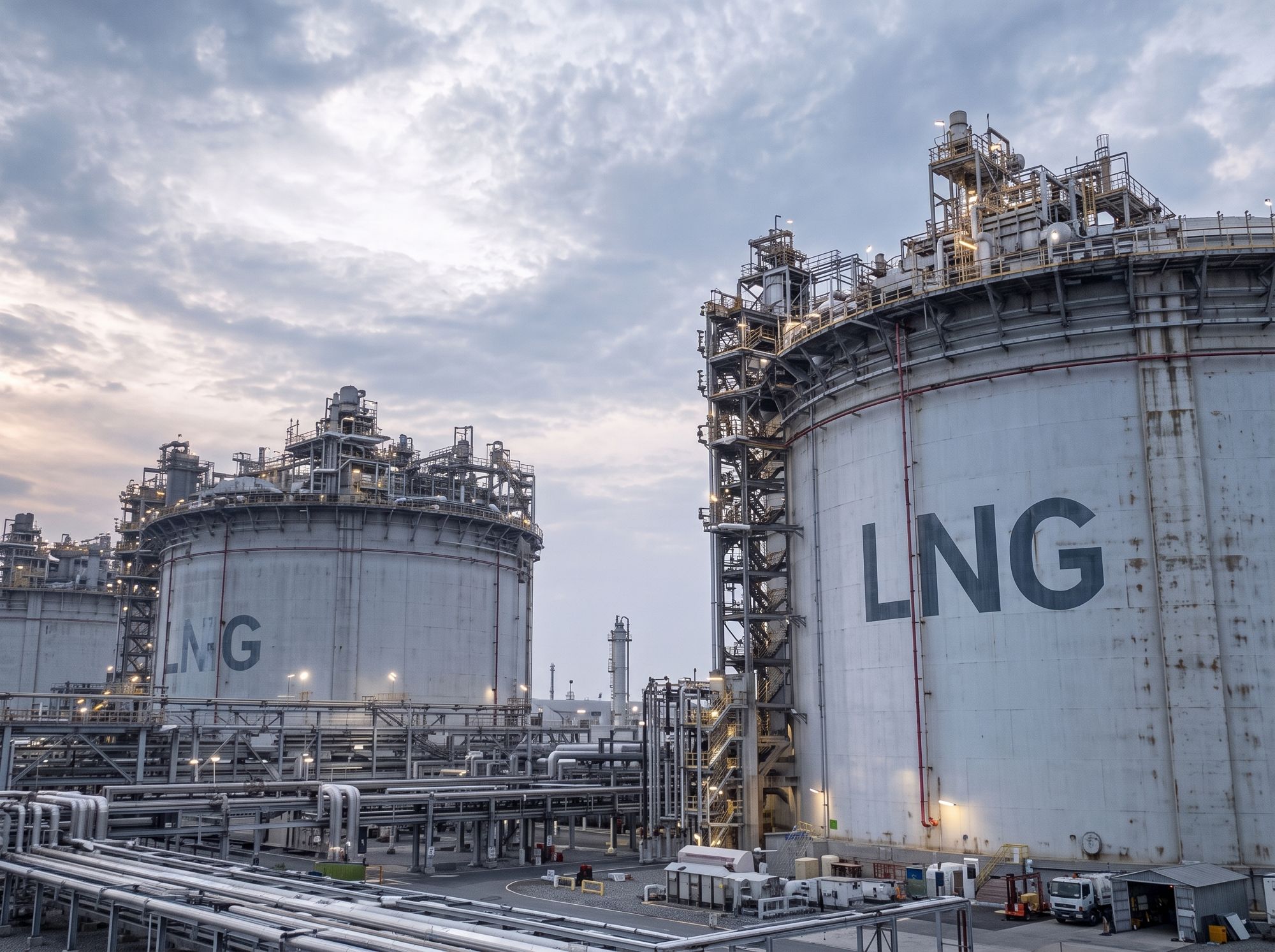
Biofuels and LNG are already part of how many customers reduce the carbon intensity of their energy use. Bringing these products to market at scale depends on the same capabilities that underpin traditional trading: dependable sourcing, efficient logistics and sound risk management.
Reliable supply and a more sustainable future are not competing goals. Trade is one of the ways they meet.
Efficiency is a sustainability lever
Every voyage planned well, every vessel used to its capacity and every cargo delivered without delay reduces waste across the chain. Operational discipline is not only good business; it is part of a more responsible way to move energy.
Responsibility across the chain
Strong governance, clear compliance standards and a focus on health and safety give partners confidence that energy is being traded the right way. These foundations matter at every step, from the first enquiry to final delivery.
Looking ahead
The transition will take time, and it will look different in every market. Throughout it, the ability to source, move, finance and deliver energy reliably will remain essential. That is where trade continues to add value.